Landing page design for lead generation
A strong landing page is focused on one offer, one audience, and one next step. That focus is what makes it useful for lead generation.
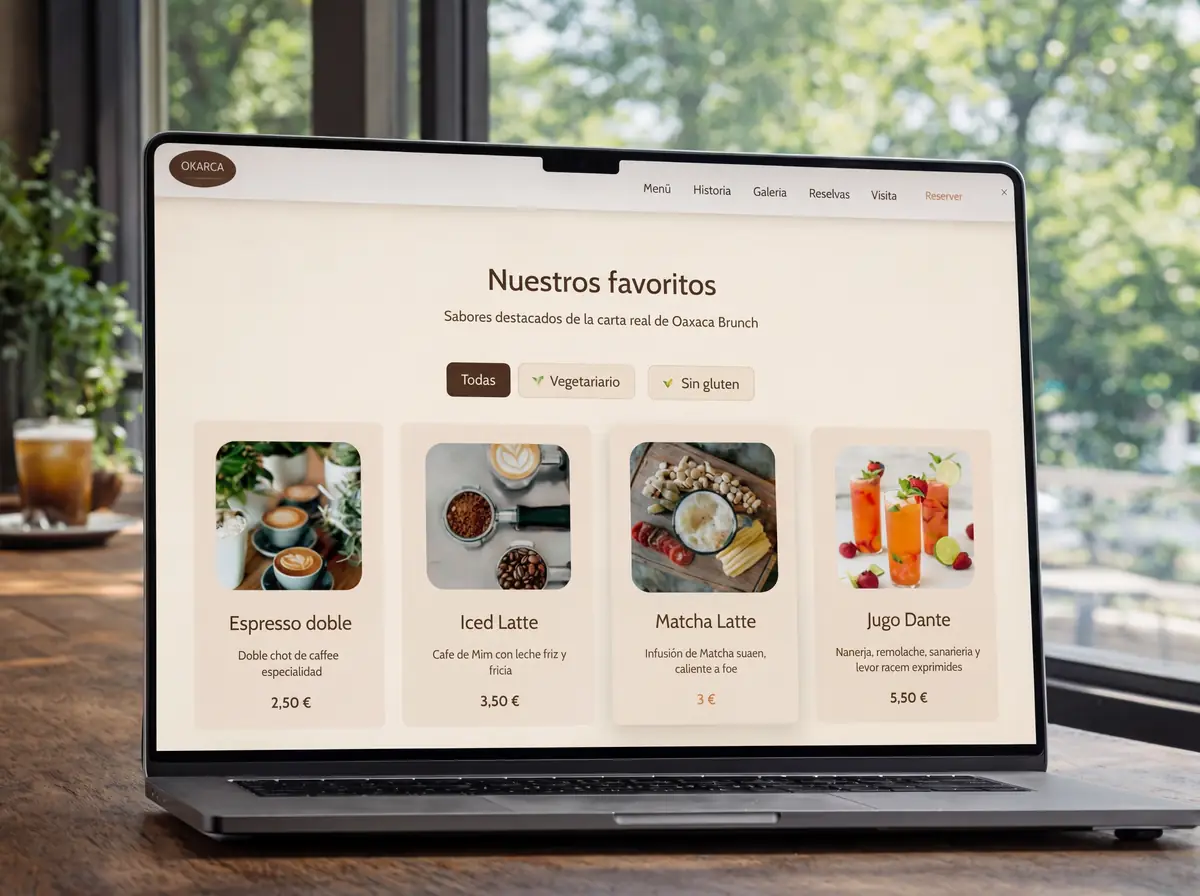
A landing page has a simpler job than a full website.
It does not need to explain every part of the company. It does not need every service, every story, or every possible detail. A strong landing page is focused on one offer, one audience, and one next step.
That is why landing pages can be useful for lead generation. When they are built well, they reduce distraction and make it easier for a visitor to understand the offer, trust the business, and take action.
The short answer
A lead generation landing page is a focused page designed to turn interest into contact. It is usually best when a business wants to promote one service, one campaign, one product, one event, or one specific offer without forcing visitors through a full website.
A good landing page should answer quickly:
- What is being offered?
- Who is it for?
- Why should someone trust it?
- What should the visitor do next?
If those answers are unclear, the page will not convert well even if it looks polished.
Landing page vs full website
| Type | Best for | Main goal |
|---|---|---|
| Landing page | One offer, campaign, service, or launch | Generate a specific action |
| Business website | Full company presence | Explain the business broadly and build trust over several pages |
| Website refresh | Existing site needs improvement | Improve clarity, design, and structure without starting from zero |
A landing page is not always better. It is better when focus matters.
For example, a clinic promoting one treatment, a real estate firm presenting one investment opportunity, a tennis academy filling a specific program, or a consultant selling one service may benefit from a dedicated landing page.
What makes a landing page convert?
A landing page does not convert because it has a form. It converts because the whole page builds toward the action.
1. A clear headline
The headline should make the offer obvious. A visitor should understand the page within a few seconds.
Weak vs stronger
Weak: Better digital solutions for modern brands.
Stronger: Private tennis lessons in Barcelona for adults who want structured coaching.
The stronger version tells the visitor exactly what the page is about. It is specific enough to be understood without extra explanation.
2. A specific audience
A page that tries to speak to everyone usually becomes generic. Lead generation improves when the visitor feels the page is relevant to their situation.
That does not mean the page needs to exclude everyone else aggressively. It simply means the content should be written for a real type of person, not for an abstract crowd.
3. A strong first section
The first screen should communicate the offer, the main benefit, a trust signal, and the next step.
This section carries a lot of weight because many visitors decide quickly whether to continue.
4. Benefits before details
People need enough detail to trust the offer, but they first need to understand why it matters.
A landing page should avoid dumping technical information too early. It should first explain the practical value.
5. Visible trust signals
Reviews, real photos, credentials, clear process, pricing references, and location details can all reduce hesitation.
A landing page often has less space than a full website, so proof needs to appear early and clearly.
6. A low-friction action
The best CTA depends on the business: WhatsApp, call, booking form, quote request, free consultation, email, or application form.
The CTA should match how the audience naturally wants to act. A visitor looking for urgent availability may prefer WhatsApp or phone. A visitor comparing professional services may prefer a short enquiry form.
Common landing page mistakes
Many landing pages fail because they are treated as smaller homepages. That usually creates avoidable problems.
Too many goals
A landing page should not ask visitors to do five different things. If the page is built for enquiries, the main action should be enquiry. Secondary links can exist, but they should not compete too much with the main action.
Too much company talk
The visitor does not need a full company history before understanding the offer. Company credibility matters, but it should support the offer, not replace it.
Weak mobile experience
If the page is used for ads, social traffic, Google search, or WhatsApp sharing, many visitors will open it on mobile. The mobile version should have readable text, clear buttons, short sections, and easy contact.
Generic copy
A landing page should not sound like it could belong to any business. Specificity builds trust. Generic wording creates distance.
Form friction
Long forms can kill leads when the visitor is still early in the decision process. For many businesses, a simple form with name, contact, and message is enough to start.
What a lead generation landing page should include
A practical landing page structure could look like this:
1. Hero section
Clear headline, short explanation, main CTA, and one trust signal.
2. Problem or need
Explain the situation the visitor is facing. This shows relevance.
3. Offer section
Explain what the business provides and how it helps.
4. Benefits
Use practical benefits, not abstract claims.
5. Process
Show what happens after the visitor contacts you. This reduces hesitation.
6. Proof
Reviews, examples, credentials, case studies, or real images.
7. FAQ
Handle common objections before the visitor leaves.
8. Final CTA
Repeat the action clearly.
This structure is simple, but it works because it follows the way people usually decide: understand, evaluate, trust, act.
When a landing page is better than a full website
A landing page can be the better starting point when:
- The business has one clear offer to promote
- A campaign needs a focused destination
- The company is testing a new service
- The full website is not ready yet
- Paid traffic needs a specific page
- Social media traffic needs a direct conversion path
- A local business wants to push one seasonal offer
A full website may still be needed later. But a landing page can move faster and test demand with less complexity.
How much should a landing page include?
Enough to create trust, not enough to overwhelm.
A very short page can work for a warm audience, but colder visitors usually need more reassurance. A good landing page often includes one clear offer, five to eight sections, one primary CTA, one simple contact method, proof or trust signals, FAQ, mobile-first layout, and basic SEO setup if it should rank organically.
The page should feel focused, not thin.
Final thought
Landing page design for lead generation is not about adding a form to a nice-looking page. It is about creating a focused path from interest to action.
The page should make the offer clear, reduce uncertainty, build enough trust, and make the next step easy.
If your business has one offer that deserves clearer presentation, a landing page may be a better starting point than a full website. Send the idea and RossLab can help shape it into a clear lead-generation page.